Buy qualité.be ?
We are moving the project
qualité.be .
Are you interested in purchasing the domain
qualité.be ?
domain@kv-gmbh.de · 0541-91531010
Buy qualité.be ?
Why dative?
The dative case is used in many languages to indicate the indirect object of a verb, showing to whom or for whom an action is done. It helps clarify the recipient of an action or the person who benefits from it. By using the dative case, speakers can provide more specific information about the relationships between the subject, verb, and object in a sentence. This case is essential for conveying nuances of meaning and ensuring clear communication in various contexts. **
Dative or accusative?
Dative and accusative are two different cases in grammar that indicate the relationship between a verb and its object. The dative case is used to show the indirect object of a verb, while the accusative case is used to show the direct object. To determine whether to use dative or accusative, you need to consider the verb in the sentence and identify whether the object is receiving the action directly (accusative) or indirectly (dative). **


Similar search terms for Dative
Top-Angebote
Products related to Dative:
-
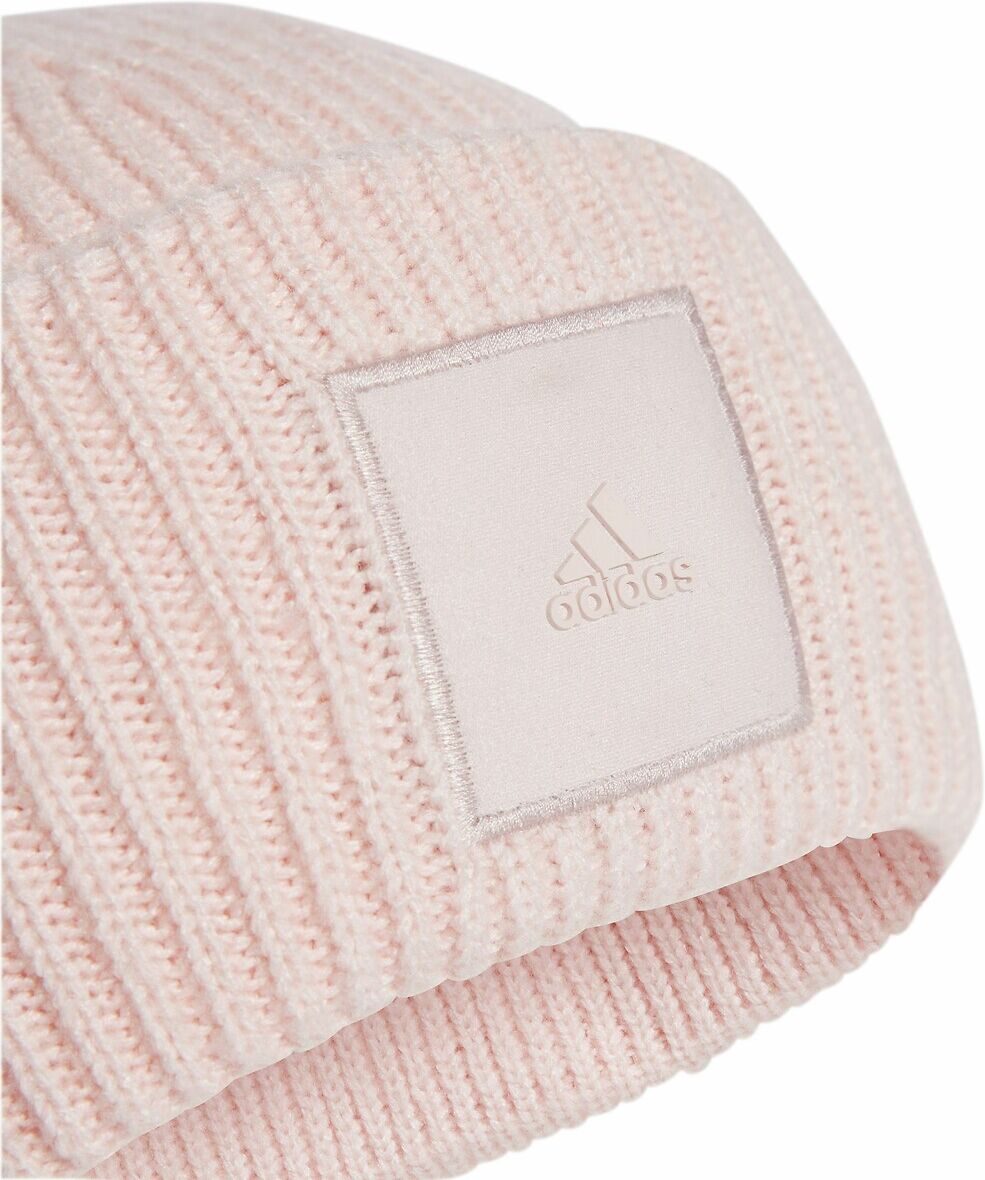
adidas Performance BonnetDétails produit • Bonnet avec revers • Taille unique • Détail logo devant Composition et Entretien • Matière principale : 100% polyester • Doublure : 100% polyester • Pour l'entretien, merci de vous référer aux indications figurant sur l'étiquette du produit21,00 €*Shipping: 3,99 €Secure redirect to the provider
-
SO'HOME Pouf Comfort excellence, coton, RobinLe pouf déhoussable Robin. Associé à la banquette 2 places, la chauffeuse, l'élément d'angle ou la méridienne vendus sur le site, créez un salon à votre image ! Fabriqué en FranceConfort d'assise : équilibré Confort de dossier : équilibré Dimensions • Longueur : 68 cm • Hauteur : 43 cm • Profondeur : 78 cm Description • Revêtement : bachette unie 100% coton 280gr/m² • Système d'accrochage des différents éléments Robin par bande auto-agrippante double face et amovible • Structure en hêtre massif. • Caisse en panneaux de particules, carcasse garnie de mousse polyéther 20 kg/m³, ép. 2 cm • Suspensions sangles élastiquées entrecroisées • Pieds en bouleau teinté wengé, haut. 4,5 cm Garnissage • Coussins d'assise garnis de mousse Comfort Bultex® 37 kg/m³ et pour un meilleur accueil, une calotte haute résilience de 23 kg/m³ et une calotte de 17 kg/m³ Entretien • Entièrement déhoussable : coussin par fermeture à glissière, structure par bande auto-agrippante. • Nettoyage à sec Qualité • Garantie commerciale La Redoute 5 ans : structure • Garantie légale 2 ans : revêtement • FABRIQUÉ EN FRANCE. • FABRICATION À LA DEMANDE. Notre fabricant réalise votre canapé sur commande, en fonction de vos choix de taille, de confort, de revêtement et de coloris. Pas de surproduction, pas de matières premières utilisées inutilement. • BOIS ISSU DE FORÊTS GÉRÉES DURABLEMENT. Le bois certifié PEFC™ est issu de forêts gérées durablement et de sources contrôlées. PEFC™ contribue à assurer la pérennité et le renouvellement par régénération naturelle ou par plantation en préservant des arbres d’avenir et en favorisant la diversité des essences. Dimensions et poids du colis : 1 colis • L70 x H45 x P80 cm • 15 kg230,30 €*Shipping: 9,99 €Secure redirect to the provider
-
adidas Performance Baskets SPEEDCOURTDétails produit • Type de sport : Handball • Talon plat • Fermeture : A lacets Composition et Entretien • Dessus/Tige : 100% textile • Doublure : 100% textile • Semelle intérieure : 100% textile • Semelle extérieure : 100% caoutchouc55,00 €*Shipping: 3,99 €Secure redirect to the provider



-
Why dative case?
The dative case is used to indicate the indirect object of a sentence, showing to whom or for whom an action is being done. It helps to clarify the relationships between the different elements of a sentence and is essential for conveying the correct meaning. In many languages, including German, Russian, and Latin, the dative case is an important part of the grammar and is used in a wide range of contexts. Overall, the dative case is important for expressing the recipient or beneficiary of an action and is an essential part of understanding and using these languages effectively. **
-
When to use dative?
The dative case is used in German to indicate the indirect object of a sentence, which is the person or thing that receives the direct object. It is also used after certain prepositions, such as "mit" (with), "nach" (after), and "von" (from). Additionally, the dative case is used with certain verbs that require an indirect object, such as "helfen" (to help) or "antworten" (to answer). **
-
Tolerate dative or accusative?
Whether to use the dative or accusative case in German depends on the verb being used and the prepositions that accompany it. Some verbs require the dative case, such as helfen (to help) or danken (to thank), while others require the accusative case, such as sehen (to see) or essen (to eat). It is important to learn which case each verb requires in order to use the correct form in a sentence. **
-
Dative or Genitive 2?
The choice between dative and genitive case in German depends on the verb or preposition being used. "Dative" is used to indicate the indirect object of a sentence, while "genitive" is used to show possession or a relationship between two nouns. "Genitive 2" specifically refers to the genitive case used after certain prepositions, such as trotz (despite) or während (during). It's important to learn the specific prepositions and verbs that require either dative or genitive case in order to use them correctly in German sentences. **


What are dative adjectives?
Dative adjectives are adjectives that are used to describe nouns in the dative case. In many languages, including German and Latin, the dative case is used to indicate the indirect object of a verb or the recipient of an action. Dative adjectives agree in gender, number, and case with the noun they are describing, and they often convey a sense of possession, benefit, or disadvantage. For example, in German, the dative adjective "guten" (good) would be used to describe a masculine singular noun in the dative case, such as "dem Mann" (to the man). **
Is there a difference between the dative case and the dative object?
Yes, there is a difference between the dative case and the dative object. The dative case is a grammatical case that typically indicates the indirect object of a verb or the object of certain prepositions. On the other hand, the dative object refers specifically to the noun or pronoun that is in the dative case in a sentence. In other words, the dative case is a grammatical concept, while the dative object is a specific element within a sentence that is marked by the dative case. **
Top-Angebote
Products related to Dative:
-
NABLA Cosmetics Close-Up Blurring Powder Blush Satisfaction 5gNABLA Cosmetics Close-Up Blurring Powder Blush Satisfaction 5g is een ongelooflijk luxueuze blush die een fluweelzacht en soft-focus-effect geeft, speciaal ontworpen om de wangen op een etherische manier te accentueren. Deze innovatieve formule omhult de wangen met een verzachtende, matte kleur en zorgt voor een egaal en diffuus effect. Belangrijkste kenmerken zijn: Een natuurlijke, matte finish van de volgende generatie met een huidverzachtend effect; Soepele, gelijkmatige en goed blendbare applicatie; Comfort alsof het een tweede huid is en een lange houdbaarheid; Lichte en opbouwbare kleurdekking; Moeiteloze hechting voor langdurige prestaties.30,50 €*Shipping: 7,35 €Secure redirect to the provider
-
La Prairie White Caviar Pearl Infusion perles illuminatrices visage innovation 30 mlLa Prairie White Caviar Pearl Infusion, 30 ml, Sérums visage pour femme, Vous sentez que votre visage a besoin de plus que ce que peut offrir une crème ? Le sérum pour le visage La Prairie White Caviar Pearl Infusion constitue un excellent complément à votre routine en lui procurant des soins intenses. Grâce à sa forte concentration en substances actives, ses effets sur la peau sont sensiblement plus visibles et plus rapides que ceux d'une crème pour le visage. De plus, sa texture liquide, très bien absorbée par la peau, facilite l’application. Le produit : supprime les signes de fatigue unifie la teinte du visage protège le visage contre les agressions extérieures redonne de la fraîcheur et de la jeunesse à votre visage Mode d’emploi : Tapotez du bout des doigts pour faire pénétrer le sérum dans la peau propre. Appliquez sur le visage, le cou et le décolleté. Continuez en utilisant votre crème de jour/nuit habituelle.610,00 €*Shipping: 3,45 €Secure redirect to the provider
-
adidas Performance BonnetDétails produit • Bonnet avec revers • Taille unique • Détail logo devant Composition et Entretien • Matière principale : 100% polyester • Doublure : 100% polyester • Pour l'entretien, merci de vous référer aux indications figurant sur l'étiquette du produit21,00 €*Shipping: 3,99 €Secure redirect to the provider
-
Why dative?
The dative case is used in many languages to indicate the indirect object of a verb, showing to whom or for whom an action is done. It helps clarify the recipient of an action or the person who benefits from it. By using the dative case, speakers can provide more specific information about the relationships between the subject, verb, and object in a sentence. This case is essential for conveying nuances of meaning and ensuring clear communication in various contexts. **
-
Dative or accusative?
Dative and accusative are two different cases in grammar that indicate the relationship between a verb and its object. The dative case is used to show the indirect object of a verb, while the accusative case is used to show the direct object. To determine whether to use dative or accusative, you need to consider the verb in the sentence and identify whether the object is receiving the action directly (accusative) or indirectly (dative). **
-
Why dative case?
The dative case is used to indicate the indirect object of a sentence, showing to whom or for whom an action is being done. It helps to clarify the relationships between the different elements of a sentence and is essential for conveying the correct meaning. In many languages, including German, Russian, and Latin, the dative case is an important part of the grammar and is used in a wide range of contexts. Overall, the dative case is important for expressing the recipient or beneficiary of an action and is an essential part of understanding and using these languages effectively. **
-
When to use dative?
The dative case is used in German to indicate the indirect object of a sentence, which is the person or thing that receives the direct object. It is also used after certain prepositions, such as "mit" (with), "nach" (after), and "von" (from). Additionally, the dative case is used with certain verbs that require an indirect object, such as "helfen" (to help) or "antworten" (to answer). **
Similar search terms for Dative
-
SO'HOME Pouf Comfort excellence, coton, RobinLe pouf déhoussable Robin. Associé à la banquette 2 places, la chauffeuse, l'élément d'angle ou la méridienne vendus sur le site, créez un salon à votre image ! Fabriqué en FranceConfort d'assise : équilibré Confort de dossier : équilibré Dimensions • Longueur : 68 cm • Hauteur : 43 cm • Profondeur : 78 cm Description • Revêtement : bachette unie 100% coton 280gr/m² • Système d'accrochage des différents éléments Robin par bande auto-agrippante double face et amovible • Structure en hêtre massif. • Caisse en panneaux de particules, carcasse garnie de mousse polyéther 20 kg/m³, ép. 2 cm • Suspensions sangles élastiquées entrecroisées • Pieds en bouleau teinté wengé, haut. 4,5 cm Garnissage • Coussins d'assise garnis de mousse Comfort Bultex® 37 kg/m³ et pour un meilleur accueil, une calotte haute résilience de 23 kg/m³ et une calotte de 17 kg/m³ Entretien • Entièrement déhoussable : coussin par fermeture à glissière, structure par bande auto-agrippante. • Nettoyage à sec Qualité • Garantie commerciale La Redoute 5 ans : structure • Garantie légale 2 ans : revêtement • FABRIQUÉ EN FRANCE. • FABRICATION À LA DEMANDE. Notre fabricant réalise votre canapé sur commande, en fonction de vos choix de taille, de confort, de revêtement et de coloris. Pas de surproduction, pas de matières premières utilisées inutilement. • BOIS ISSU DE FORÊTS GÉRÉES DURABLEMENT. Le bois certifié PEFC™ est issu de forêts gérées durablement et de sources contrôlées. PEFC™ contribue à assurer la pérennité et le renouvellement par régénération naturelle ou par plantation en préservant des arbres d’avenir et en favorisant la diversité des essences. Dimensions et poids du colis : 1 colis • L70 x H45 x P80 cm • 15 kg230,30 €*Shipping: 9,99 €Secure redirect to the provider
-
adidas Performance Baskets SPEEDCOURTDétails produit • Type de sport : Handball • Talon plat • Fermeture : A lacets Composition et Entretien • Dessus/Tige : 100% textile • Doublure : 100% textile • Semelle intérieure : 100% textile • Semelle extérieure : 100% caoutchouc55,00 €*Shipping: 3,99 €Secure redirect to the provider
-
adidas Performance Short uniDétails produit • Taille : standard • Ceinture élastiquée • 2 poches côtés zippées • Logo cuisse Composition et Entretien • 100% polyester • Pour l'entretien, merci de vous référer aux indications figurant sur l'étiquette du produit24,50 €*Shipping: 3,99 €Secure redirect to the provider
-
Tolerate dative or accusative?
Whether to use the dative or accusative case in German depends on the verb being used and the prepositions that accompany it. Some verbs require the dative case, such as helfen (to help) or danken (to thank), while others require the accusative case, such as sehen (to see) or essen (to eat). It is important to learn which case each verb requires in order to use the correct form in a sentence. **
-
Dative or Genitive 2?
The choice between dative and genitive case in German depends on the verb or preposition being used. "Dative" is used to indicate the indirect object of a sentence, while "genitive" is used to show possession or a relationship between two nouns. "Genitive 2" specifically refers to the genitive case used after certain prepositions, such as trotz (despite) or während (during). It's important to learn the specific prepositions and verbs that require either dative or genitive case in order to use them correctly in German sentences. **
-
What are dative adjectives?
Dative adjectives are adjectives that are used to describe nouns in the dative case. In many languages, including German and Latin, the dative case is used to indicate the indirect object of a verb or the recipient of an action. Dative adjectives agree in gender, number, and case with the noun they are describing, and they often convey a sense of possession, benefit, or disadvantage. For example, in German, the dative adjective "guten" (good) would be used to describe a masculine singular noun in the dative case, such as "dem Mann" (to the man). **
-
Is there a difference between the dative case and the dative object?
Yes, there is a difference between the dative case and the dative object. The dative case is a grammatical case that typically indicates the indirect object of a verb or the object of certain prepositions. On the other hand, the dative object refers specifically to the noun or pronoun that is in the dative case in a sentence. In other words, the dative case is a grammatical concept, while the dative object is a specific element within a sentence that is marked by the dative case. **
* All prices are inclusive of VAT and, if applicable, plus shipping costs. The offer information is based on the details provided by the respective shop and is updated through automated processes. Real-time updates do not occur, so deviations can occur in individual cases. ** Note: Parts of this content were created by AI.