Buy qualité.be ?
We are moving the project
qualité.be .
Are you interested in purchasing the domain
qualité.be ?
domain@kv-gmbh.de · 0541-91531010
Buy qualité.be ?
When do you use il faut and il ne faut pas?
"Il faut" is used to express what is necessary or required, while "il ne faut pas" is used to express what is not allowed or should be avoided. For example, you would use "il faut" to say "il faut étudier pour réussir" (it is necessary to study to succeed), and "il ne faut pas" to say "il ne faut pas fumer dans ce lieu" (smoking is not allowed in this place). These expressions are used to give advice, make recommendations, or set rules. **
What is the difference between il faut que and il faut?
"Il faut" is used to express a general necessity or obligation, while "il faut que" is used to introduce a specific action or event that is necessary or required. For example, "il faut manger" means "it is necessary to eat" in a general sense, while "il faut que tu manges" means "you need to eat" in a specific sense. "Il faut" is used to make a general statement about what is necessary, while "il faut que" is used to specify what needs to be done. **


Similar search terms for Faut
Top-Angebote
Products related to Faut:
-
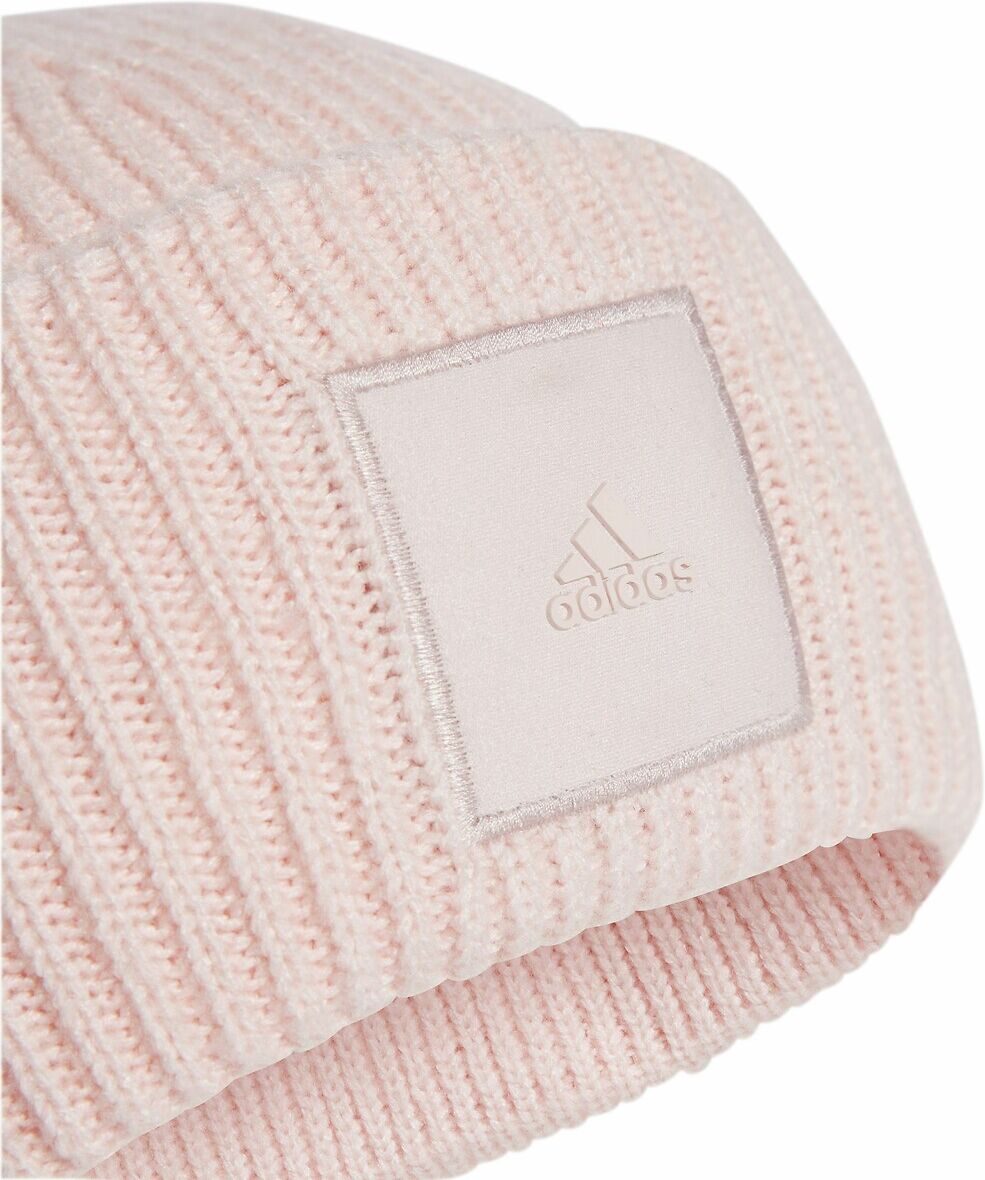
adidas Performance BonnetDétails produit • Bonnet avec revers • Taille unique • Détail logo devant Composition et Entretien • Matière principale : 100% polyester • Doublure : 100% polyester • Pour l'entretien, merci de vous référer aux indications figurant sur l'étiquette du produit21,00 €*Shipping: 3,99 €Secure redirect to the provider
-
SO'HOME Pouf Comfort excellence, coton, RobinLe pouf déhoussable Robin. Associé à la banquette 2 places, la chauffeuse, l'élément d'angle ou la méridienne vendus sur le site, créez un salon à votre image ! Fabriqué en FranceConfort d'assise : équilibré Confort de dossier : équilibré Dimensions • Longueur : 68 cm • Hauteur : 43 cm • Profondeur : 78 cm Description • Revêtement : bachette unie 100% coton 280gr/m² • Système d'accrochage des différents éléments Robin par bande auto-agrippante double face et amovible • Structure en hêtre massif. • Caisse en panneaux de particules, carcasse garnie de mousse polyéther 20 kg/m³, ép. 2 cm • Suspensions sangles élastiquées entrecroisées • Pieds en bouleau teinté wengé, haut. 4,5 cm Garnissage • Coussins d'assise garnis de mousse Comfort Bultex® 37 kg/m³ et pour un meilleur accueil, une calotte haute résilience de 23 kg/m³ et une calotte de 17 kg/m³ Entretien • Entièrement déhoussable : coussin par fermeture à glissière, structure par bande auto-agrippante. • Nettoyage à sec Qualité • Garantie commerciale La Redoute 5 ans : structure • Garantie légale 2 ans : revêtement • FABRIQUÉ EN FRANCE. • FABRICATION À LA DEMANDE. Notre fabricant réalise votre canapé sur commande, en fonction de vos choix de taille, de confort, de revêtement et de coloris. Pas de surproduction, pas de matières premières utilisées inutilement. • BOIS ISSU DE FORÊTS GÉRÉES DURABLEMENT. Le bois certifié PEFC™ est issu de forêts gérées durablement et de sources contrôlées. PEFC™ contribue à assurer la pérennité et le renouvellement par régénération naturelle ou par plantation en préservant des arbres d’avenir et en favorisant la diversité des essences. Dimensions et poids du colis : 1 colis • L70 x H45 x P80 cm • 15 kg230,30 €*Shipping: 9,99 €Secure redirect to the provider
-
adidas Performance Baskets SPEEDCOURTDétails produit • Type de sport : Handball • Talon plat • Fermeture : A lacets Composition et Entretien • Dessus/Tige : 100% textile • Doublure : 100% textile • Semelle intérieure : 100% textile • Semelle extérieure : 100% caoutchouc55,00 €*Shipping: 3,99 €Secure redirect to the provider



-
How does "il faut" work in French?
"Il faut" is a common expression in French that is used to convey the idea of necessity or obligation. It is followed by an infinitive verb and is used to express what needs to be done or what is necessary in a given situation. For example, "Il faut manger" means "It is necessary to eat." This expression is used to give advice, make suggestions, or express general truths. **
-
What is the past tense of il faut?
The past tense of "il faut" is "il a fallu." This is the third person singular form of the verb "falloir" in the past tense. It is used to indicate that something was necessary or required in the past. For example, "Il a fallu partir tôt ce matin" means "It was necessary to leave early this morning." **
-
Why do we say "il faut" in French instead of "on doit"? One reads "il faut" everywhere, very rarely "on doit." Why?
"We say 'il faut' in French instead of 'on doit' because 'il faut' is a more common and idiomatic expression in the French language. It is used to convey the idea of necessity or obligation in a more formal and impersonal way. On the other hand, 'on doit' is more direct and personal, implying a specific obligation or duty. Therefore, 'il faut' is preferred in a wider range of contexts and is considered more polite and appropriate in formal or general statements." **
-
Why do people say "il faut" in French instead of "on doit"? "Il faut" is read everywhere, while "on doit" is very, very rarely seen. Why?
The phrase "il faut" is used in French to express the idea of necessity or obligation, while "on doit" is used to express the idea of duty or responsibility. The use of "il faut" is more common because it is a more general and impersonal way of expressing necessity, whereas "on doit" is more specific and implies a direct responsibility or obligation. Additionally, "il faut" is a fixed expression in French, while "on doit" can be more easily replaced by other phrases or constructions. Therefore, "il faut" is used more frequently in written and spoken French. **


Has anyone of you ever read the book Il faut sauver Saïd?
As an AI language model, I don't have personal experiences or the ability to read books. However, "Il faut sauver Saïd" is a French novel written by Brigitte Smadja. It tells the story of a young boy named Saïd who is struggling to find his place in the world. The novel addresses themes of identity, immigration, and belonging, and has been well-received for its powerful storytelling and thought-provoking content. If you have read the book, I would love to hear your thoughts on it! **
What is the difference between "il faut" and "on a besoin" in French?
"Il faut" and "on a besoin" both express a need or necessity in French, but they are used in slightly different contexts. "Il faut" is used to express a general necessity or obligation, while "on a besoin" is used to express a specific need or requirement. For example, "Il faut manger pour vivre" (One must eat to live) expresses a general necessity, while "On a besoin de nourriture pour survivre" (We need food to survive) expresses a specific need. **
Top-Angebote
Products related to Faut:
-
NABLA Cosmetics Close-Up Blurring Powder Blush Satisfaction 5gNABLA Cosmetics Close-Up Blurring Powder Blush Satisfaction 5g is een ongelooflijk luxueuze blush die een fluweelzacht en soft-focus-effect geeft, speciaal ontworpen om de wangen op een etherische manier te accentueren. Deze innovatieve formule omhult de wangen met een verzachtende, matte kleur en zorgt voor een egaal en diffuus effect. Belangrijkste kenmerken zijn: Een natuurlijke, matte finish van de volgende generatie met een huidverzachtend effect; Soepele, gelijkmatige en goed blendbare applicatie; Comfort alsof het een tweede huid is en een lange houdbaarheid; Lichte en opbouwbare kleurdekking; Moeiteloze hechting voor langdurige prestaties.30,50 €*Shipping: 7,35 €Secure redirect to the provider
-
La Prairie White Caviar Pearl Infusion perles illuminatrices visage innovation 30 mlLa Prairie White Caviar Pearl Infusion, 30 ml, Sérums visage pour femme, Vous sentez que votre visage a besoin de plus que ce que peut offrir une crème ? Le sérum pour le visage La Prairie White Caviar Pearl Infusion constitue un excellent complément à votre routine en lui procurant des soins intenses. Grâce à sa forte concentration en substances actives, ses effets sur la peau sont sensiblement plus visibles et plus rapides que ceux d'une crème pour le visage. De plus, sa texture liquide, très bien absorbée par la peau, facilite l’application. Le produit : supprime les signes de fatigue unifie la teinte du visage protège le visage contre les agressions extérieures redonne de la fraîcheur et de la jeunesse à votre visage Mode d’emploi : Tapotez du bout des doigts pour faire pénétrer le sérum dans la peau propre. Appliquez sur le visage, le cou et le décolleté. Continuez en utilisant votre crème de jour/nuit habituelle.610,00 €*Shipping: 3,45 €Secure redirect to the provider
-
adidas Performance BonnetDétails produit • Bonnet avec revers • Taille unique • Détail logo devant Composition et Entretien • Matière principale : 100% polyester • Doublure : 100% polyester • Pour l'entretien, merci de vous référer aux indications figurant sur l'étiquette du produit21,00 €*Shipping: 3,99 €Secure redirect to the provider
-
When do you use il faut and il ne faut pas?
"Il faut" is used to express what is necessary or required, while "il ne faut pas" is used to express what is not allowed or should be avoided. For example, you would use "il faut" to say "il faut étudier pour réussir" (it is necessary to study to succeed), and "il ne faut pas" to say "il ne faut pas fumer dans ce lieu" (smoking is not allowed in this place). These expressions are used to give advice, make recommendations, or set rules. **
-
What is the difference between il faut que and il faut?
"Il faut" is used to express a general necessity or obligation, while "il faut que" is used to introduce a specific action or event that is necessary or required. For example, "il faut manger" means "it is necessary to eat" in a general sense, while "il faut que tu manges" means "you need to eat" in a specific sense. "Il faut" is used to make a general statement about what is necessary, while "il faut que" is used to specify what needs to be done. **
-
How does "il faut" work in French?
"Il faut" is a common expression in French that is used to convey the idea of necessity or obligation. It is followed by an infinitive verb and is used to express what needs to be done or what is necessary in a given situation. For example, "Il faut manger" means "It is necessary to eat." This expression is used to give advice, make suggestions, or express general truths. **
-
What is the past tense of il faut?
The past tense of "il faut" is "il a fallu." This is the third person singular form of the verb "falloir" in the past tense. It is used to indicate that something was necessary or required in the past. For example, "Il a fallu partir tôt ce matin" means "It was necessary to leave early this morning." **
Similar search terms for Faut
-
SO'HOME Pouf Comfort excellence, coton, RobinLe pouf déhoussable Robin. Associé à la banquette 2 places, la chauffeuse, l'élément d'angle ou la méridienne vendus sur le site, créez un salon à votre image ! Fabriqué en FranceConfort d'assise : équilibré Confort de dossier : équilibré Dimensions • Longueur : 68 cm • Hauteur : 43 cm • Profondeur : 78 cm Description • Revêtement : bachette unie 100% coton 280gr/m² • Système d'accrochage des différents éléments Robin par bande auto-agrippante double face et amovible • Structure en hêtre massif. • Caisse en panneaux de particules, carcasse garnie de mousse polyéther 20 kg/m³, ép. 2 cm • Suspensions sangles élastiquées entrecroisées • Pieds en bouleau teinté wengé, haut. 4,5 cm Garnissage • Coussins d'assise garnis de mousse Comfort Bultex® 37 kg/m³ et pour un meilleur accueil, une calotte haute résilience de 23 kg/m³ et une calotte de 17 kg/m³ Entretien • Entièrement déhoussable : coussin par fermeture à glissière, structure par bande auto-agrippante. • Nettoyage à sec Qualité • Garantie commerciale La Redoute 5 ans : structure • Garantie légale 2 ans : revêtement • FABRIQUÉ EN FRANCE. • FABRICATION À LA DEMANDE. Notre fabricant réalise votre canapé sur commande, en fonction de vos choix de taille, de confort, de revêtement et de coloris. Pas de surproduction, pas de matières premières utilisées inutilement. • BOIS ISSU DE FORÊTS GÉRÉES DURABLEMENT. Le bois certifié PEFC™ est issu de forêts gérées durablement et de sources contrôlées. PEFC™ contribue à assurer la pérennité et le renouvellement par régénération naturelle ou par plantation en préservant des arbres d’avenir et en favorisant la diversité des essences. Dimensions et poids du colis : 1 colis • L70 x H45 x P80 cm • 15 kg230,30 €*Shipping: 9,99 €Secure redirect to the provider
-
adidas Performance Baskets SPEEDCOURTDétails produit • Type de sport : Handball • Talon plat • Fermeture : A lacets Composition et Entretien • Dessus/Tige : 100% textile • Doublure : 100% textile • Semelle intérieure : 100% textile • Semelle extérieure : 100% caoutchouc55,00 €*Shipping: 3,99 €Secure redirect to the provider
-
adidas Performance Short uniDétails produit • Taille : standard • Ceinture élastiquée • 2 poches côtés zippées • Logo cuisse Composition et Entretien • 100% polyester • Pour l'entretien, merci de vous référer aux indications figurant sur l'étiquette du produit24,50 €*Shipping: 3,99 €Secure redirect to the provider
-
Why do we say "il faut" in French instead of "on doit"? One reads "il faut" everywhere, very rarely "on doit." Why?
"We say 'il faut' in French instead of 'on doit' because 'il faut' is a more common and idiomatic expression in the French language. It is used to convey the idea of necessity or obligation in a more formal and impersonal way. On the other hand, 'on doit' is more direct and personal, implying a specific obligation or duty. Therefore, 'il faut' is preferred in a wider range of contexts and is considered more polite and appropriate in formal or general statements." **
-
Why do people say "il faut" in French instead of "on doit"? "Il faut" is read everywhere, while "on doit" is very, very rarely seen. Why?
The phrase "il faut" is used in French to express the idea of necessity or obligation, while "on doit" is used to express the idea of duty or responsibility. The use of "il faut" is more common because it is a more general and impersonal way of expressing necessity, whereas "on doit" is more specific and implies a direct responsibility or obligation. Additionally, "il faut" is a fixed expression in French, while "on doit" can be more easily replaced by other phrases or constructions. Therefore, "il faut" is used more frequently in written and spoken French. **
-
Has anyone of you ever read the book Il faut sauver Saïd?
As an AI language model, I don't have personal experiences or the ability to read books. However, "Il faut sauver Saïd" is a French novel written by Brigitte Smadja. It tells the story of a young boy named Saïd who is struggling to find his place in the world. The novel addresses themes of identity, immigration, and belonging, and has been well-received for its powerful storytelling and thought-provoking content. If you have read the book, I would love to hear your thoughts on it! **
-
What is the difference between "il faut" and "on a besoin" in French?
"Il faut" and "on a besoin" both express a need or necessity in French, but they are used in slightly different contexts. "Il faut" is used to express a general necessity or obligation, while "on a besoin" is used to express a specific need or requirement. For example, "Il faut manger pour vivre" (One must eat to live) expresses a general necessity, while "On a besoin de nourriture pour survivre" (We need food to survive) expresses a specific need. **
* All prices are inclusive of VAT and, if applicable, plus shipping costs. The offer information is based on the details provided by the respective shop and is updated through automated processes. Real-time updates do not occur, so deviations can occur in individual cases. ** Note: Parts of this content were created by AI.